
Victor Saly's own thought, from a text note of 23 October 2026, tidied and structured with AI. The original is kept as written.
What counts as evidence of competence
The idea
We hide AI-assisted work as if it were cheating. I see it as a better way of producing results.
So what counts as evidence of competence? What do we reward? The job goal must change.
I am very pro AI. It brings incredible things to anyone who has thoughts and can turn them into working ideas. But the world is changing so quickly that we are just catching up, and it is tiring.
The skills bar is raising. Without good fundamentals, your final judgement becomes hands of the wave, and not your final architecture. Results must go straight to the point, not to a generic one. We humans turn long windy answers into small, clear ones.
As a programmer, I want a framework with accountability at the important steps. The human decides whether something sits or not.
I want my product to look more human, more unique, not slop.2
My advice: don’t let AI break your unique way of thinking. Embrace your idea with it. Keep the core of your identity.
Think first, act after. Spend hours, even days, thinking about what you want, so you give the tool the right direction. Learn how AI works, how it thinks, how it will make mistakes.
AI will not exist without us humans.
The origin
Written 23 October 2026, never edited. It starts like this:
Productive friction What counts of evidence of competence We tend to hide ai assisted work like a cheating behaviour rather than a enhanced way of producing results I want my product to look more human more unique and non slop product What we reward? What’s the job goal must change Skills set had to change and developed right fundamentals for…
The road
We hide the work, and we should stop
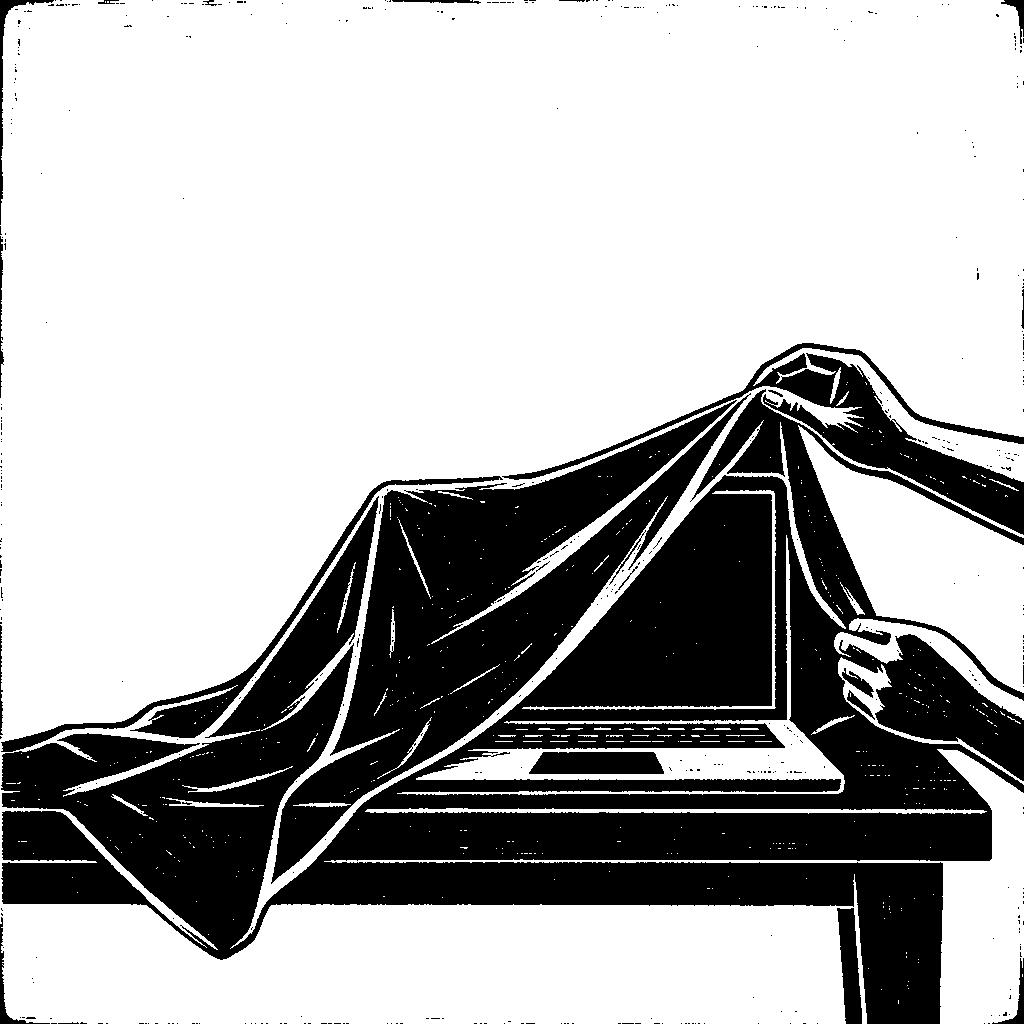
“We tend to hide AI-assisted work. We treat it like cheating.”
The cloth over the laptop is the hiding, and the hands lifting it show the wish to stop hiding.
We tend to hide AI-assisted work. We treat it like cheating.1
I see it differently. It is an enhanced way of producing results.
I want my product to look more human, more unique. Not slop.2
What we reward
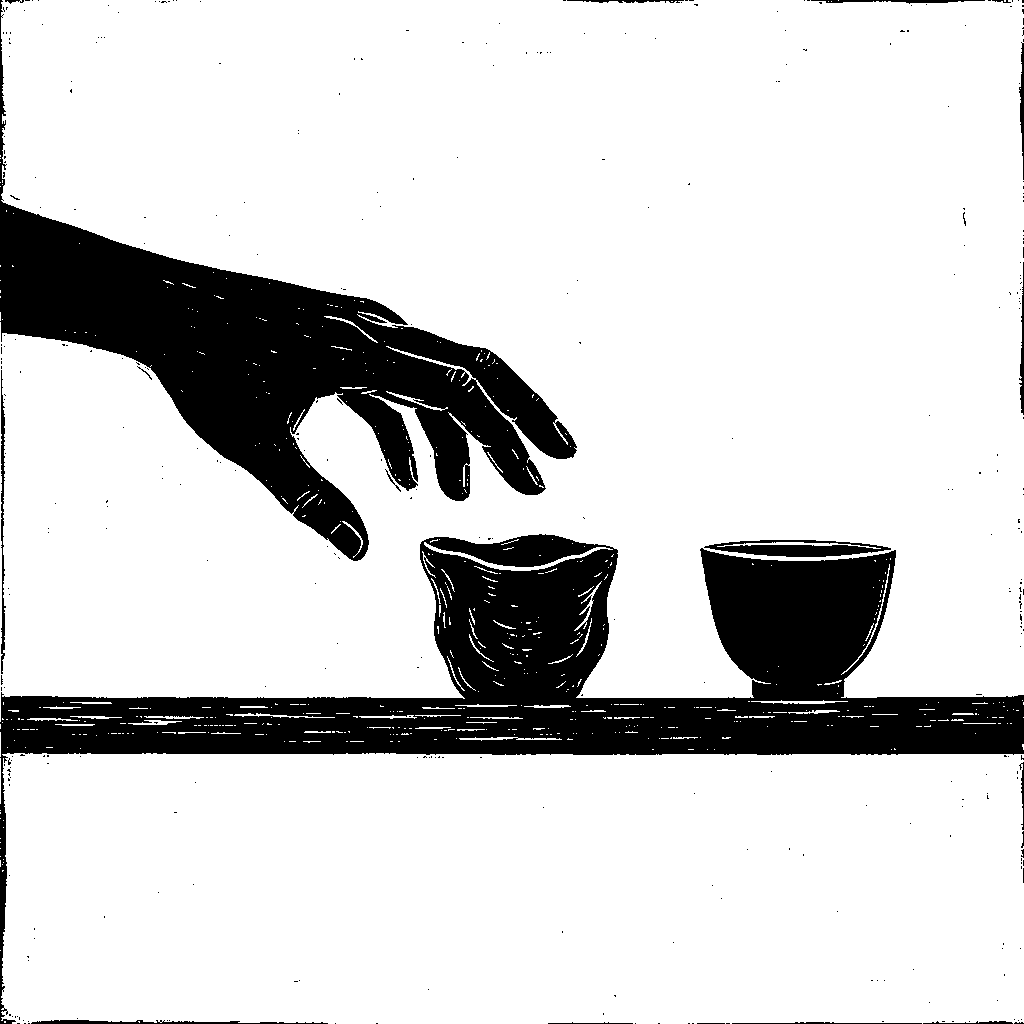
“So what counts as evidence of competence? What do we reward?”
Two cups and one reaching hand put the question of what we pick, and what we reward, into a single moment of choosing.
So what counts as evidence of competence? What do we reward?
If the work is assisted, then the old answer does not hold. The job goal must change.
Fundamentals still matter
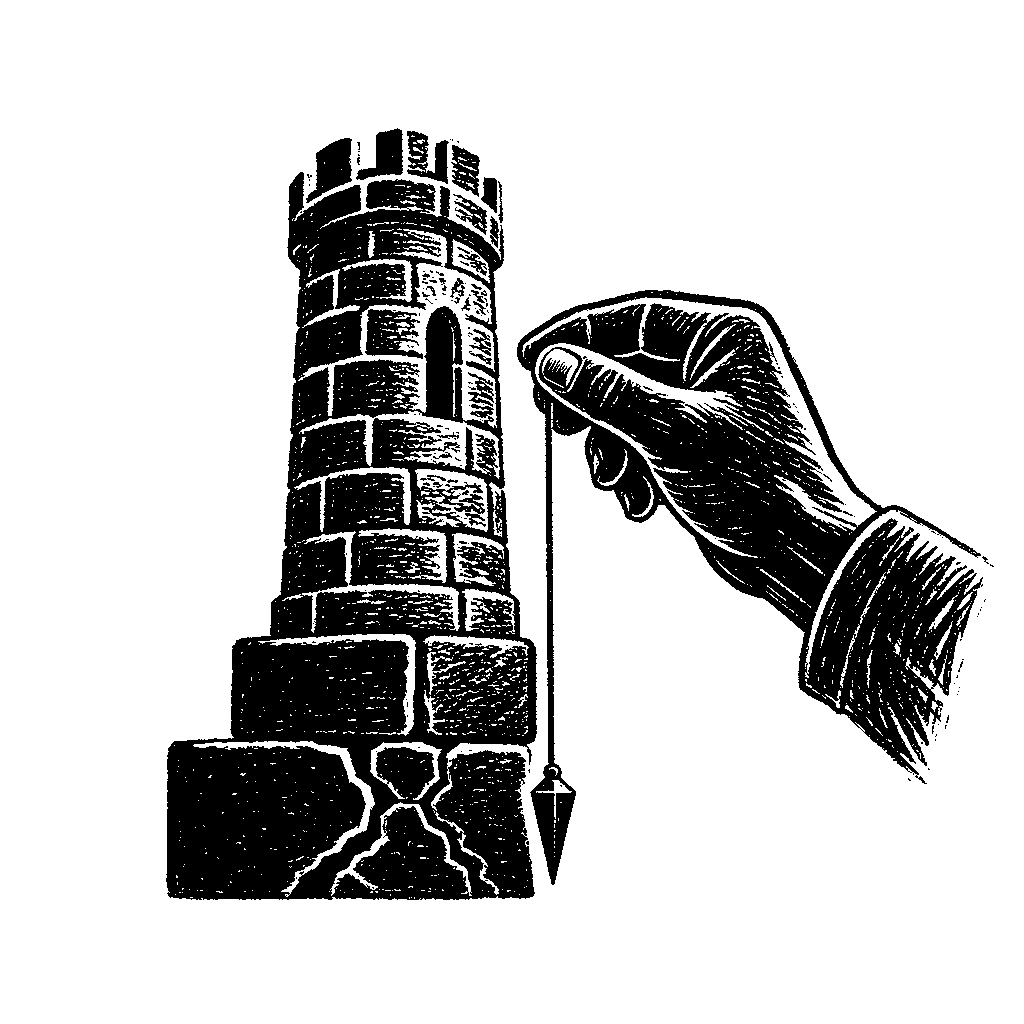
“Without a good understanding, your final judgement becomes hands of the wave. It is no longer your final architecture.”
A tower on cracked blocks shows judgement and architecture falling over when the base is weak.
The skills have to change. But the right fundamentals matter for every piece of work, however much it is assisted.
Without a good understanding, your final judgement becomes hands of the wave. It is no longer your final architecture.
The bar is raising
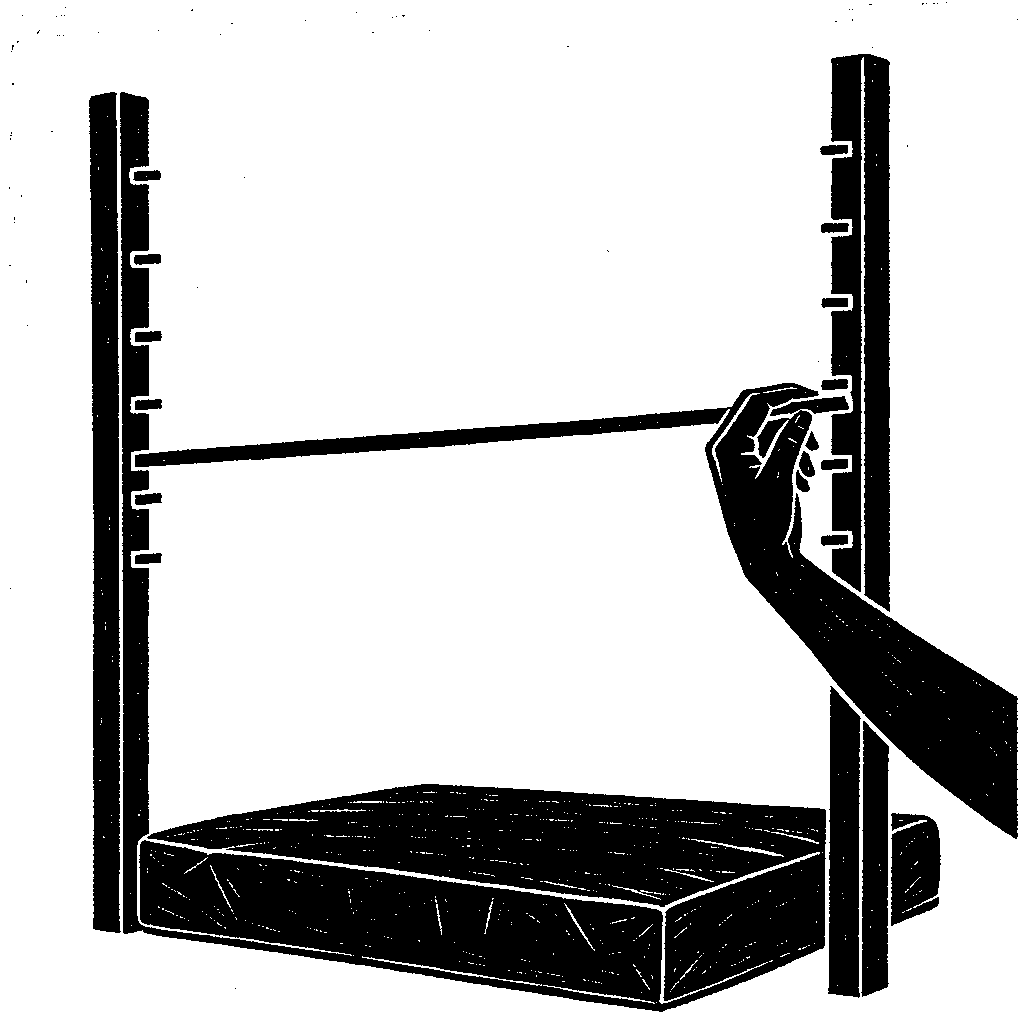
“The skills bar is raising. That is the world we live in now.”
The bar lifted a notch is the rising expectation, drawn as a plain sports object.
The skills bar is raising. That is the world we live in now.
Expectations are not only about a result. The result that matters goes directly to the point. It is not redirected to a generic one.
The long windy results come from models built on statistics and closed assumptions. This is where we humans, the flesh-based ones, come in. We turn those long answers into small, clear ones.3
The human decides
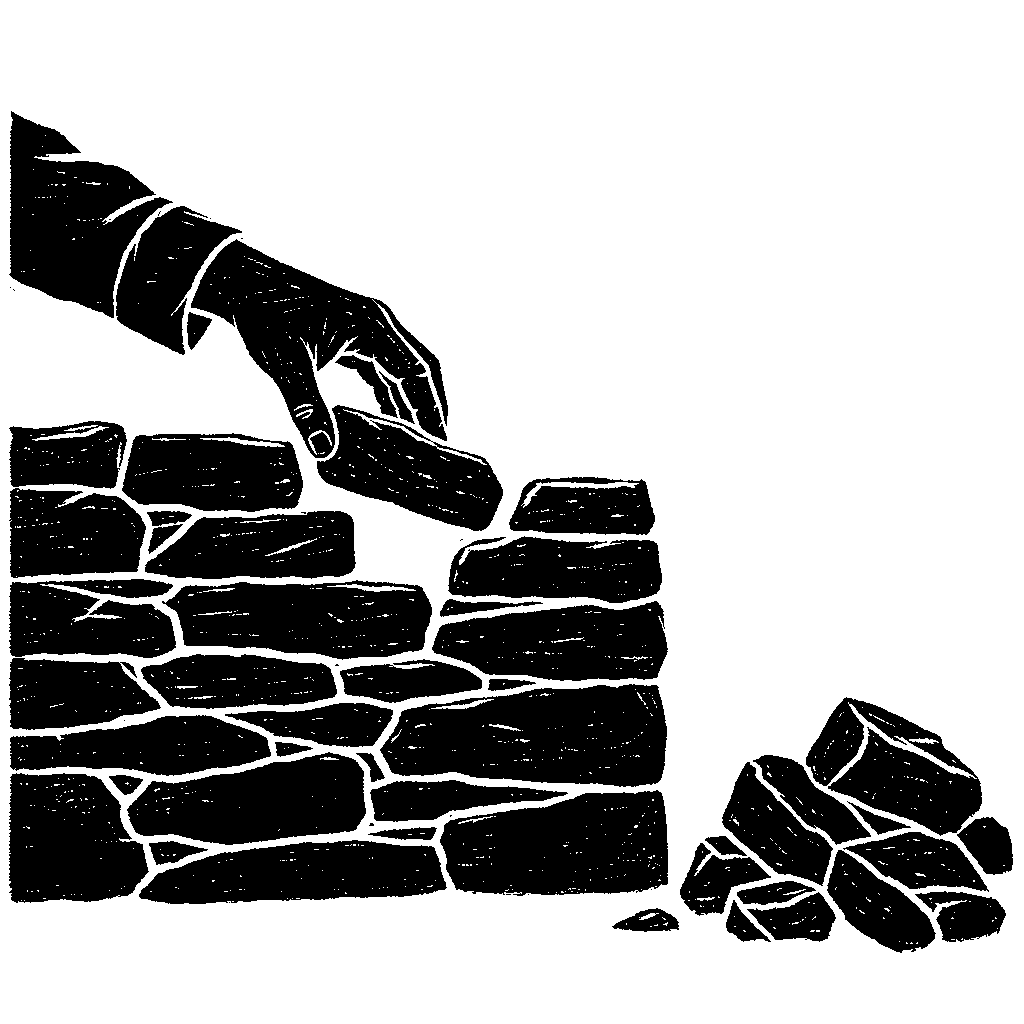
“At those steps, we decide whether something sits or not.”
Placing one stone and judging whether it sits is the human decision at the important step.
The one who makes the decision is still the human, at least in the current world.
As a programmer, my goal is a framework that gives us accountability for the important steps. At those steps, we decide whether something sits or not. We guide the solution from our area of expertise.4
Why something human will stand out
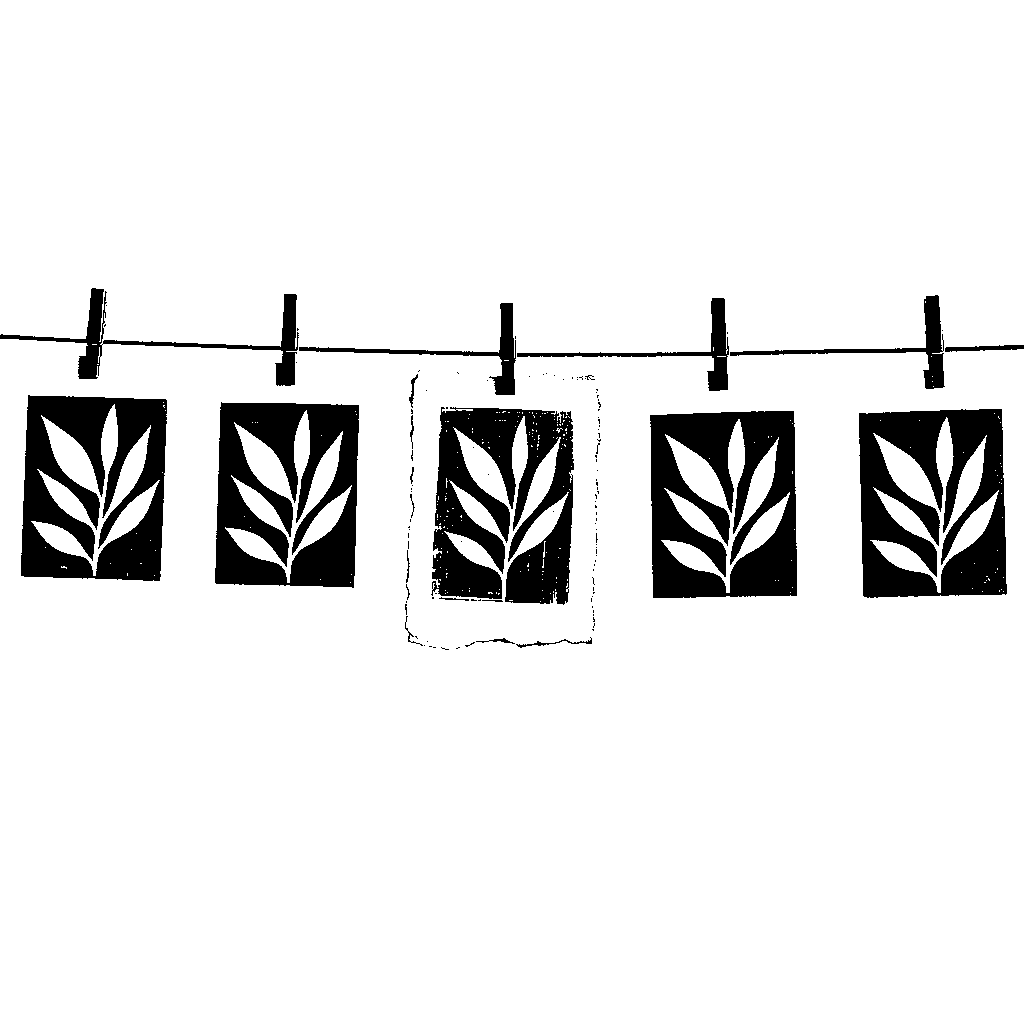
“When someone comes with something new, it is exciting and appealing.”
One uneven hand-carved print among identical sheets is the new thing that catches the eye.
Most social media today is AI-driven. In a way it becomes monotonous, boring, not unique.5
When someone comes with something new, it is exciting and appealing.
At some point, I think we will find thoughts and outcomes that are not AI-driven very exotic, expensive and elegant.
I am pro AI, and the pace has a cost
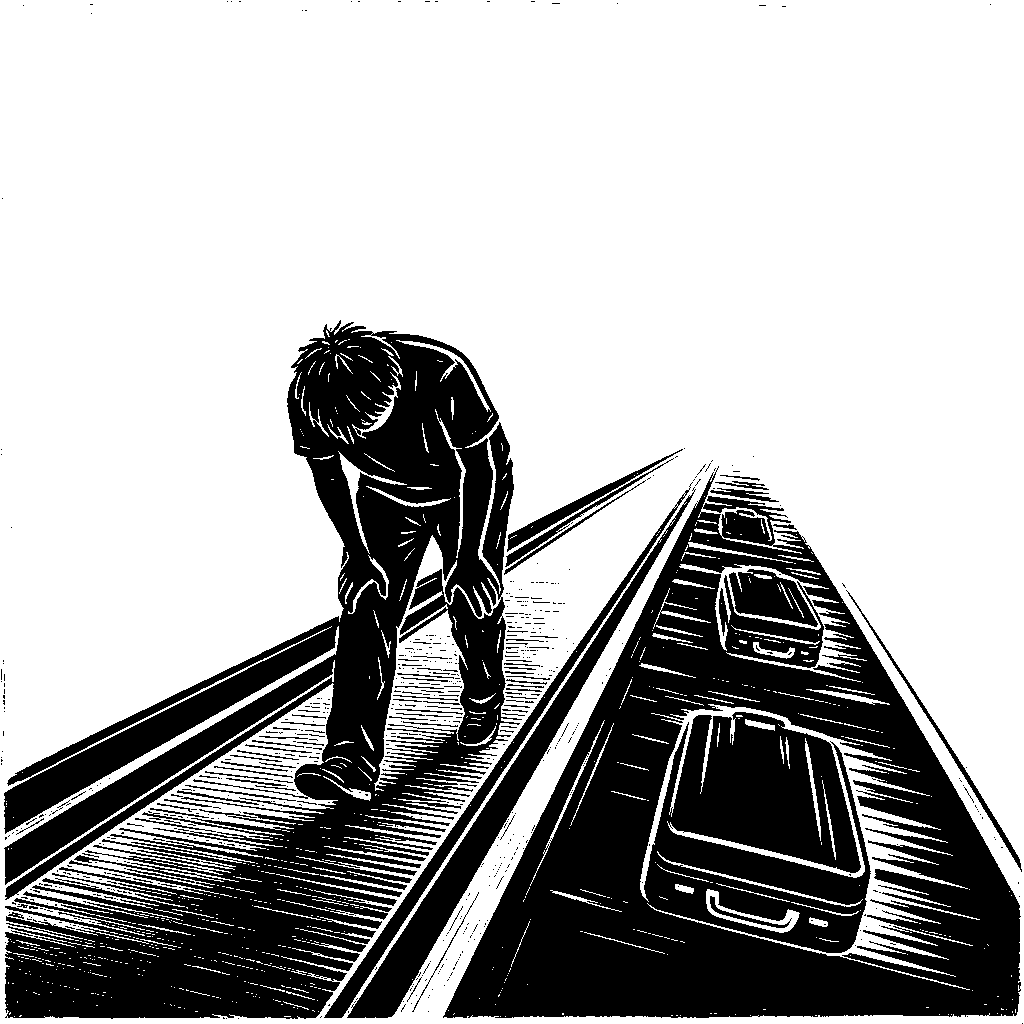
“The world is changing so quickly that we are just catching up, and it is tiring.”
A person struggling to keep up on a moving walkway shows the pace that is amazing but tiring.
I am very pro AI. It brings incredible things to anyone who has thoughts and can turn them into real working ideas. That is amazing, and it is a good time to be alive.
But this pace will come with consequences if we do not look at it. There are already signs. The world is changing so quickly that we are just catching up, and it is tiring.
The old way was to let the process drive the learning. At this pace, that is hard to do.
My advice
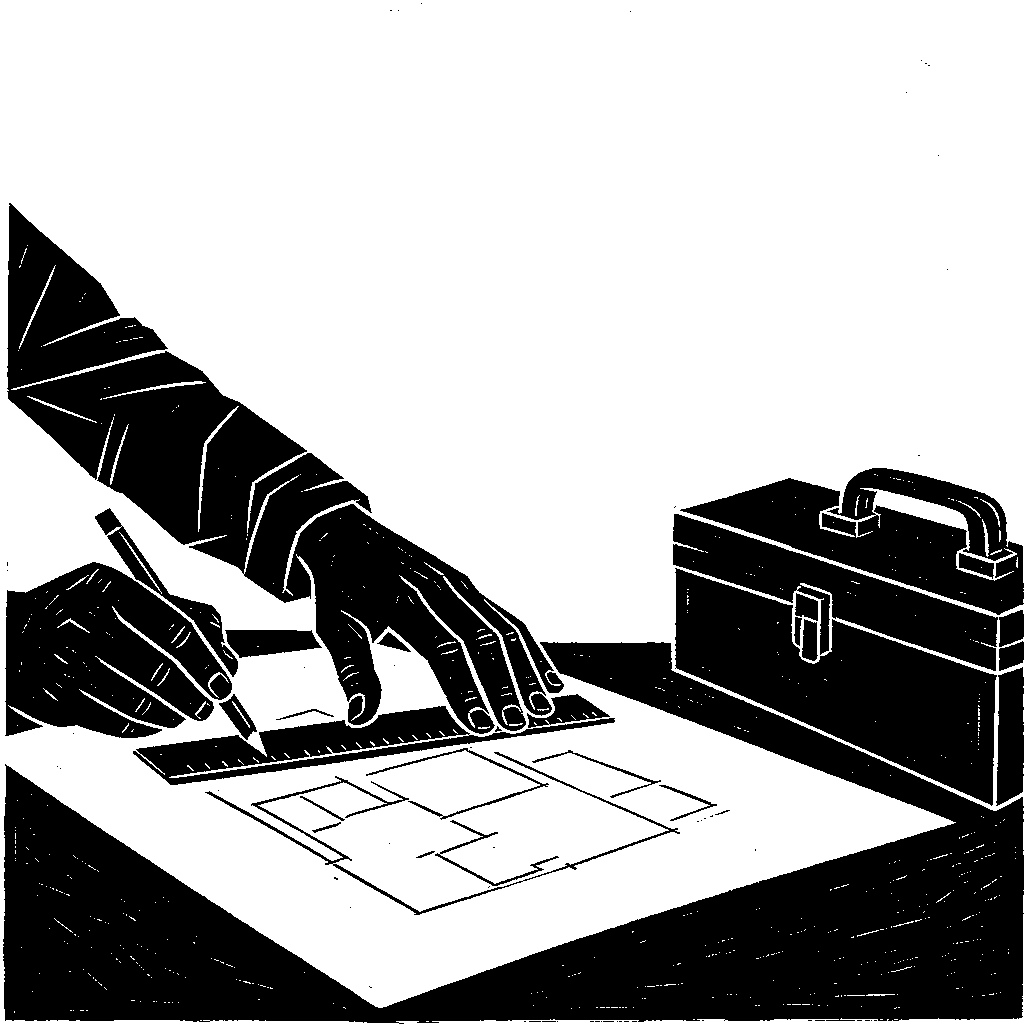
“Spend hours, even days, on what you want. Then you can give the tool the right direction.”
The plan is drawn while the toolbox stays shut, which is thinking first and acting after.
Don’t let AI break your unique way of thinking. Embrace your idea with it.
Keep the core of your identity. Say you are a doctor interested in holistic medicine. That mixture of different things is your core. It is what makes you unique.6
Think first, act after. Building ideas is easy now, so the thinking matters more. Spend hours, even days, on what you want. Then you can give the tool the right direction.
Learn how AI works. How it thinks, how it will react, how it will make mistakes. How valid a mistake can be, so you deliver first rather than wait for perfection. Understand the limits.
AI will not exist without us humans.
What changed from the origin, and why
- Cut the repeated circling on “what we reward” and “the job goal must change”. I kept it once, under “What we reward”.
- Reordered. The origin jumps between fundamentals, the raised bar, social media and advice. I grouped it into one line: the problem, the bar, the human decision, the effect on the world, then the advice.
- Moved “I want my product to look more human, more unique, not slop” up to the opening, because it says why Victor cares.
- Left out the opening line “Productive friction”. The note never explains it, and I did not want to guess.
- Left out the call centre comparison (“remember the days where we were fed up of call centre lack of understanding of local communities”). Victor says he doubts it applies to AI, but the line is unclear. Nothing demeaning was in it, but I could not finish the thought without inventing.
- Left out the closing line of that paragraph, “why you don’t do it if everyone does?”. It is a question I could not read with confidence.
- Smoothed “based on statistics and closed assumptions which most LLMs based we are” into one sentence about models built on statistics and closed assumptions. This is my reading of a garbled line. Please check it.
- Left out “gratitutes” in “understand the limits and gratitudes”. I kept only “the limits”.
- Left out “Avoiding technology is like not accepting need a parody not yet found but is all this together”. I could not read it.
- Left out the ending about books before and after AI and the Kurzweil book. That includes the book’s forecasts and Victor’s teenage belief in them. The lines are garbled, they look partly pasted from an AI reply, and the note stops before the reply. I did not finish them. Only “AI will not exist without us humans” stays.
- Wrote “the old way was to let the process drive the learning. At this pace, that is hard to do” from a tangled sentence. This is my reading of it.
- Kept Victor’s phrases “hands of the wave” and “flesh-based”. Any odd preposition is intentional.
- The interview is unanswered, so nothing was added from outside the note.
This version has not yet been reviewed by Victor Saly. It can still change.
After this thought
Open the original to see the note this came from, or walk the road for the whole piece.