
Victor Saly's own thought, from a text note of 25 October 2026, tidied and structured with AI. The original is kept as written.
Same idea, a year later

The idea
Read aloud word for word by an AI voice, Victor Saly. The word being said is underlined; the arrow keys on the line step word by word.
In September last year I tried to build a game with my son. The idea came from him, so we recorded it.2
It was a retro, dice-based educational strategy game. You had different types of people, and from their capabilities they earned money and won things. We called it WorldLeadersGame.
It started really well. I used only Copilot, and I wanted the AI to drive the development. But it could not answer issues properly. It kept shifting, or forgetting, the original request and orders.3
After three to four weeks we decided it was not capable of what we wanted. It was a shame.
Today I am almost certain we would get a better result. Two reasons.
The coding standard has improved. Claude in particular has shown a better approach.5
And I understand much better how much to hand over to the AI, and how to organise my questions and reviews to get what I want.
This blog is the proof of the feeling. We started two days ago. It already has more than 12 agents, a database and a web interface to talk to. 115 pull requests so far, and I review each one with before and after images.67
I will prove the change by running the original project again.
 The road
The idea
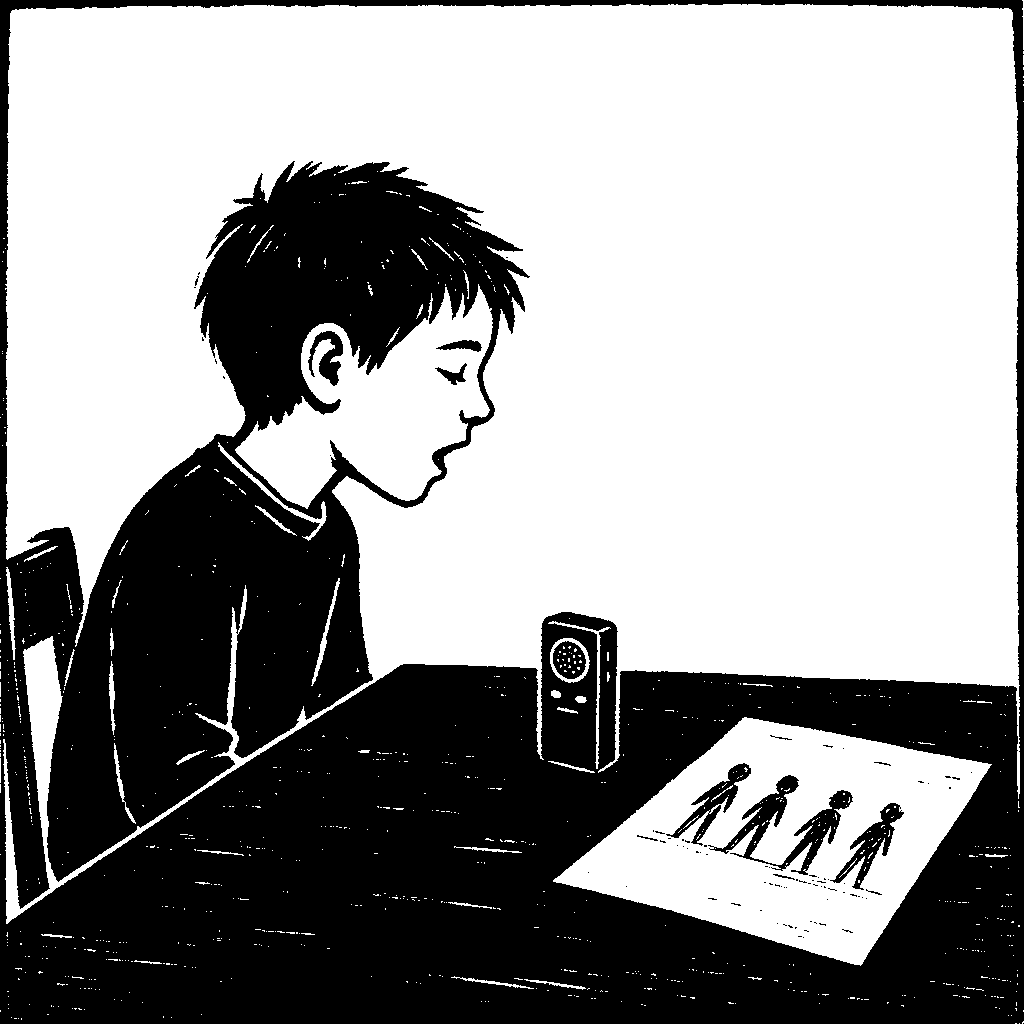
“The idea came from him, so we recorded it.”
The recorder and the sketch show the idea being caught as it was spoken, before any code existed.
In September last year I tried to build a game with my son. The idea came from him, so we recorded it. Then we started to build.2
It was a retro, dice-based, educational strategy game. You had different types of people. From their capabilities they earned money and won things. We called it WorldLeadersGame. The code is here: https://github.com/victorsaly/WorldLeadersGame1
How it started

“I wanted the AI to drive the development, so I used only Copilot.”
The empty driver's seat and the passenger who only watches show the experiment of letting the AI drive and him only riding along.
It started really well.
I wanted the AI to drive the development, so I used only Copilot. That was the experiment.3
Where it stopped

“It kept shifting, or forgetting, the original request and orders.”
The wall starts true to the string and slowly slides off it, like the original request slipping away as the work went on.
The AI was not able to answer issues properly. It kept shifting, or forgetting, the original request and orders. It did not have as many skills as today, and the model was not clever enough to complete the task.
After three to four weeks we decided it was not capable of what we wanted. It was a shame. But the idea is still there.
What I think today
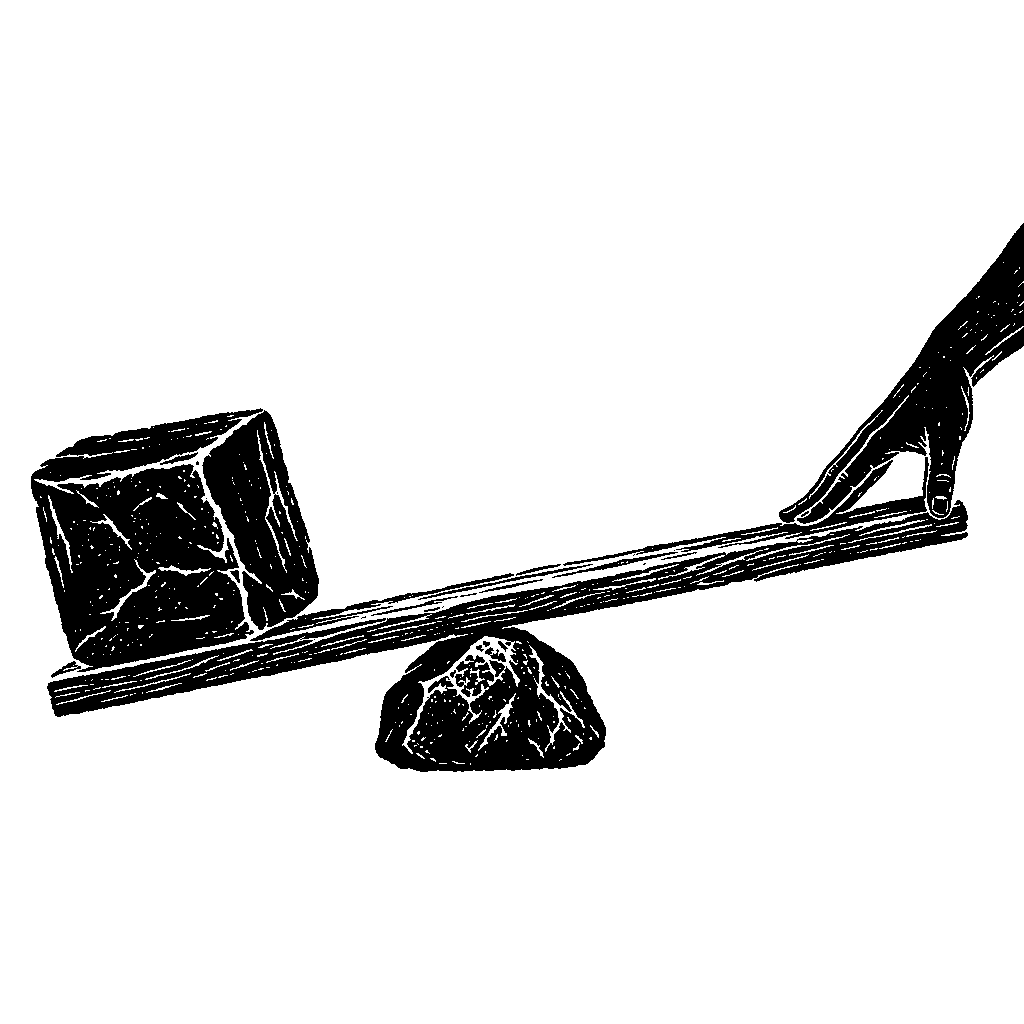
“I understand much better how much leverage to give the AI.”
A light hand lifting a heavy block shows leverage, and the fulcrum placed well is the judgement about how much to hand over.
If I tried it now, I am almost certain we would get a better result. I see two reasons.
The first is the model. The coding standard has improved compared to a year ago, across most LLMs. Claude in particular has shown a better approach.45
The second is me. I understand much better how much leverage to give the AI. I know how to organise my questions and my reviews to get the result I want.
This blog is the proof of the feeling

“The pull request gives me images, and I compare before and after.”
The two sheets with one small difference show how he reviews each change by looking at what moved.
We started two days ago. It already has more than 12 agents. It has a database, and a web interface to talk to. It builds the blog automatically, without any major issues.6
115 pull requests have been created so far. I review each one. The pull request gives me images, and I compare before and after. That is how I understand what changed.7
Everything you see in this studio and blog is generated by agents and automations that work together. It is a completely different era. How it all fits together is explained here: https://blog.victorsaly.com/how-it-works
What comes next

“I will prove the transformation by running the original project again.”
Uncovering the old game board shows the same project being picked up again to test the feeling.
This is a feeling, and a feeling is not proof. I will prove the transformation by running the original project again.
What changed from the origin, and why
- Cut the circling. The origin says “the idea is there” and “we were trying” several times. I kept each point once.
- Reordered. In the origin the reasons for the change come in the middle of one long sentence. I put them in their own section, before the blog, so a stranger can follow the order: the old attempt, what failed, what changed, the proof.
- Added the game name, WorldLeadersGame, and the repository link from the written answers.
- Added “I used only Copilot” and what went wrong (“shifting or forgetting the original request and orders”) from the answers. The transcript only said it was “not capable”.
- Added “It did not have as many skills as today, and the model was not clever enough”. This comes from answer 5. I kept it as the AI’s limit, not as a judgement on anyone’s skill.
- Dropped “I didn’t feel like I was in the stage of development at that moment to build the software”. It is unclear in the transcript, and answer 5 says it more simply.
- Added “Claude in particular has shown a better approach” from answer 6.
- Added the how-it-works link from answer 7.
- Added the plan to rerun the original project, from answer 1. It closes the thought.
- Left out the part about discussing progress with his family and the feedback they gave, as he asked in answer 8, to avoid privacy issues.
- Left out the speech-recognition fragments “you talk to clock fair” and “talk by SDK with claw”. I could not be sure what he meant, so I kept only “a web interface to talk to” and “a database”. If he meant a specific service or Claude’s SDK, he can add it back.
- Left out “and stuff” and “you know”, which are spoken filler.
- Kept “and I review each one”, “it is a shame” and “a completely different era” close to his words.
- Caveat: “almost certain” stays as he said it. Nothing has been rerun yet, so this version does not claim a result.
 The origin
Written 25 October 2026, never edited. It starts like this:
1. A transformation which I will prove at some point by running the original project again. 2. WorldLeadersGame and the url path is https://github.com/victorsaly/WorldLeadersGame 3. I used only copilot 4. Ai was unable to answer issues properly was shifting or forgetting the original request and orders. 5. Not as many skills, LLM was not clever enough to complete task as…
Sources
- 1
WorldLeadersGame, the game and the code link
GitHub - victorsaly/WorldLeadersGame (the page title in search is the repo's own description)
The repository Victor links to. Its README calls it an educational strategy game for 12-year-olds, with dice-based career progression, and says it was built with .NET 8, Blazor Server and Azure OpenAI. See the flag below about what the README claims.
- 2
"The idea came from him, so we recorded it" (the son's voice memo)
From Voice Memo to Production: An AI-First Development Experiment - DEV Community
Victor's own post about turning his son's voice memo into the game idea. It is dated Aug 7 on the page. See the flag below.
- 3
Copilot ("I used only Copilot")
A neutral description of Copilot as a code-completion and programming assistant from GitHub and OpenAI. The infobox gives October 2021 as the release date.
- 4
LLMs ("across most LLMs")
Large language model - Wikipedia
A definition of what a large language model is, for a reader who does not know the term.
- 5
Claude ("Claude in particular has shown a better approach")
Claude (language model) - Wikipedia
An overview of Claude, the family of models from Anthropic, with release history.
- 6
"More than 12 agents, a database, and a web interface to talk to"
GitHub - victorsaly/agentic-blog (nearest door, not proof of the number)
The engine behind blog.victorsaly.com, described as AI agents that tidy and structure notes into posts, with a human merging each one. It runs on Astro and Cloudflare. I did not count the agents or confirm "12", so this is Victor's own count.
- 7
Pull requests (what he reviews, with before and after images)
About pull requests - GitHub Docs
GitHub's own explanation that a pull request proposes merging code changes from one branch into another, and gives people a place to review them first.
How this was made
The agents that worked on this post, read from its ledger, where every run is recorded as it happens and cannot be changed afterwards. Recorded since 25 October 2026.
- InterviewAsk the few questions a stranger would need answered before the origin makes sense.
- StructureFind the message, the idea and the small ideas in an origin, each tagged with its themes.
- ConvertWrite each version a reader might take in: short, long, a social post, another language.
- ImageDraw one linocut print per section that earns one, in the house style.
- DiagramDescribe a diagram for the few places in a post where a process reads better as boxes.
- CitationsFind what each claim in a post rests on and link to it where the name appears.
- SeoCheck that each page says what it is the way search and answer engines read it.
- DrilldownWrite a short wiki page for each book, person, tool or project a post leans on.
- SafetyRead everything about to leave, in every language, for hate, contempt or an attack, and hold it if found.
- SecurityCheck what is about to leave for other people’s data, secrets and internal links, and hold it if found.
- VoiceRead the short version aloud in one steady voice and record when each word is spoken, so the page can follow along.
- PublishAssemble one pull request a reviewer can read in a minute, and record the road.
24 agent runs recorded. How the agents work
After this thought
Walk the road for the whole piece, or open the original to see the note it all came from.